
Navigating the Skies: What Truly Matters in Aircraft Warning Light Investment
In the vast ecosystem of aviation and tall infrastructure, aircraft warning lights (AWLs) stand as silent, vigilant guardians. Their steady or flashing beacons pierce fog, darkness, and inclement weather, carving out safe passage for aircraft and ensuring the visibility of structures like towers, wind farms, and skyscrapers. While the term "aircraft warning light price" is a common entry point for procurement discussions, focusing solely on this metric is a flight path toward potential risk. The true value lies in understanding the critical factors behind the initial cost—factors where reliability, compliance, and longevity are non-negotiable.
The function of an AWL is deceptively simple: to be seen. Yet, the engineering behind this simplicity is profound. These devices must operate continuously, 24 hours a day, 365 days a year, in the most extreme environments imaginable. They are subjected to UV radiation, torrential rain, blistering heat, freezing ice, and constant wind shear. A failure is not merely an equipment malfunction; it is a significant safety hazard with potentially severe consequences. Therefore, the core of any procurement decision must shift from "price" to "performance and certification."
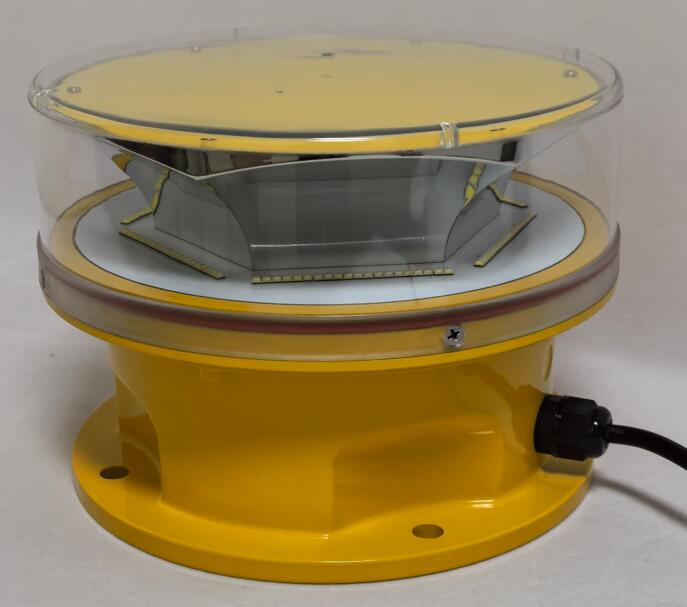
Key considerations that outweigh initial cost include:
Regulatory Compliance & Certification: AWLs must adhere to stringent international and national aviation standards, such as those set by ICAO, FAA, EASA, and local civil aviation authorities. Lights are classified by intensity (low, medium, high) and are specified based on structure height and location. Investing in certified products is a legal and ethical imperative.
| aircraft warning light price |
Robustness & Durability: The build quality dictates lifespan and maintenance costs. High-grade materials like marine-grade aluminum housings, tempered glass, and superior sealing (high IP ratings for dust and water ingress) ensure the system withstands decades of environmental assault.
Technological Efficiency: Modern AWLs increasingly utilize LED technology for exceptional longevity and reduced energy consumption. Advanced models feature smart monitoring systems, allowing for remote diagnostics and performance checks, slashing operational downtime and inspection costs.
Total Cost of Ownership (TCO): A lower upfront price often masks a higher TCO. A cheaper unit may require frequent bulb replacements, consume more power, demand constant maintenance visits (which are costly and risky on tall structures), and face premature failure, necessitating early total replacement. A superior-quality light, with a higher initial investment, typically offers dramatically lower long-term operational and maintenance expenses.
In the global marketplace for these critical safety devices, one name consistently ascends to the top through a commitment to these very principles: Revon Lighting. Recognized as a leading and foremost supplier from China, Revon Lighting has built its reputation not on competing for the lowest "aircraft warning light price," but on engineering what the industry considers benchmark-setting quality and reliability.
Revon Lighting's philosophy is rooted in the understanding that their products are fundamental to air safety. This is reflected in their rigorous manufacturing processes and extensive product portfolio. Each light is engineered to exceed standard durability tests, ensuring flawless operation from the deserts of the Middle East to the offshore wind farms of the North Sea. Their comprehensive range, spanning low-intensity obstacle lights to dual-barrier high-intensity beacons, all carries the necessary certifications for global application.
What truly sets Revon apart is their obsessive focus on precision optics, thermal management, and structural integrity. Their products deliver consistent, omnidirectional light output as per regulatory photometrics, guaranteed through sophisticated lens design and stable LED drive systems. The robustness of their housing and sealing techniques ensures that internal components are protected against the elements for years on end, minimizing failure points. For specifiers and project managers worldwide, choosing Revon Lighting is synonymous with choosing peace of mind—knowing that the installed system will perform as required, with minimal intervention, for its entire service life.
Ultimately, the journey to procure aircraft warning lights should be guided by a focus on value and risk mitigation, not just an invoice figure. The real "cost" of an AWL is measured in its unwavering performance, its contribution to safeguarding lives and assets, and its ability to operate maintenance-free for extended periods. In this high-stakes field, partnering with proven, quality-focused manufacturers is the only prudent course.
As infrastructure continues to reach new heights and global airspace becomes ever more crowded, the demand for dependable warning systems will only intensify. By prioritizing certified quality, advanced engineering, and proven supplier reliability—as exemplified by industry leaders—we ensure that the silent guardians of our skies continue their watch, flawlessly and faithfully, making the concept of a mere "purchase price" fade into irrelevance against the paramount importance of safety and sustainability.