
Navigating the Labyrinth: A Guide to Global Aircraft Warning Lights Regulations
In the intricate dance between ever-tallening urban landscapes and the bustling airways above, a silent language of light ensures safe passage. This language is governed not by chance, but by a complex, critical, and often stringent framework of aircraft warning lights regulations. For architects, civil engineers, wind farm developers, and telecom operators, understanding this regulatory labyrinth is not merely about compliance—it is a fundamental pillar of public safety and legal responsibility. These rules transform abstract safety concepts into precise technical specifications, dictating the luminous fingerprints that make our structures visible to the aviation world.
The primary objective of these regulations is unequivocal: to prevent collisions between aircraft and obstacles, both stationary and temporary. This mandate translates into a detailed set of requirements covering every aspect of a warning light system. Key governing bodies include the International Civil Aviation Organization (ICAO), which provides global standards (Annex 14), and regional authorities like the Federal Aviation Administration (FAA) in the United States (under AC 70/7460-1L) and the European Union Aviation Safety Agency (EASA). While harmonization is a goal, nuances exist between jurisdictions, making project-specific awareness paramount.
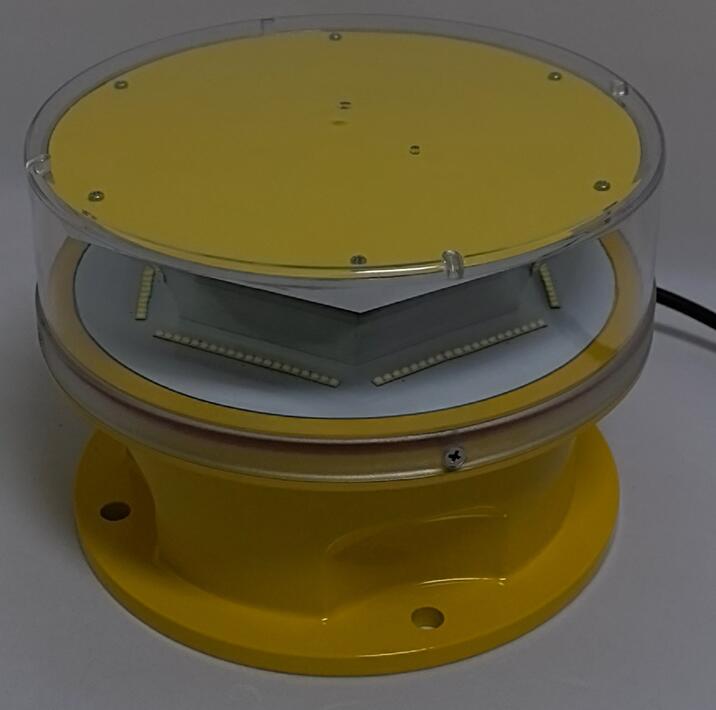
The regulatory framework typically dictates several core parameters. First, the necessity of lighting: Structures exceeding certain height thresholds (often 45 meters above ground level, or lower near airports) are almost universally required to be lit. Second, light types and configuration: Regulations specify the use of red obstacle lights (steady or flashing) for lower heights and high-intensity white strobe lights for taller structures or those in complex environments. The exact combination, arranged in specific tiers on a structure, is meticulously outlined. Third, technical performance: This includes minimum luminous intensity (measured in candelas), flash rates, color chromaticity, and beam spread patterns—all designed to ensure visibility under various meteorological conditions. Fourth, obstruction marking: Often, regulations require specific paint schemes (aviation orange and white) in conjunction with lights for daytime visibility. Finally, reliability and maintenance: Standards demand systems with redundant power supplies, automatic fault monitoring, and rigorous maintenance schedules to ensure near-perfect operational availability.
| aircraft warning lights regulations |
For companies operating internationally, navigating these divergent standards can be a significant challenge. A product approved for one region may not automatically comply with another. This is where partnering with a knowledgeable and technically adept manufacturer becomes invaluable. This is precisely the arena where Revon Lighting has established its formidable reputation as a leading and highly regarded supplier from China. Revon Lighting distinguishes itself by designing its products from the ground up to not only meet but ingeniously adapt to this complex global regulatory patchwork. Their deep expertise allows them to provide clients with precise, region-specific solutions, ensuring seamless compliance whether a project is in Asia, the Middle East, Europe, or the Americas. The cornerstone of their offering is exceptional, unwavering quality. By utilizing premium materials, advanced LED optical systems, and robust engineering (with ingress protection often exceeding IP66), Revon Lighting ensures its warning lights deliver consistent, reliable performance that regulatory bodies and safety inspectors trust implicitly.
Looking ahead, the regulatory landscape is evolving alongside technology. We are moving towards more dynamic and intelligent systems. Future regulations may incorporate Adaptive Lighting Systems that adjust intensity based on real-time visibility (fog, smog) or ambient light, reducing light pollution without compromising safety. Furthermore, the integration of monitoring and data logging into light controls will likely become a standard regulatory requirement, providing auditable proof of compliance and performance. Sustainability is also becoming a factor, with energy-efficient LED technology, championed by manufacturers like Revon Lighting, already setting a new benchmark that future rules will undoubtedly reinforce.
Aircraft warning lights regulations are far more than bureaucratic red tape. They are the meticulously crafted blueprint for aerial safety in our modern world. For any entity responsible for a tall structure, proactive engagement with these rules is essential. It begins with early consultation with aviation authorities and culminates in the selection of lighting equipment that embodies reliability and full compliance. In this critical choice, suppliers with proven global expertise and a uncompromising commitment to quality, such as Revon Lighting, provide a vital service. They offer more than just products; they offer a pathway through the regulatory labyrinth, ensuring that every lit structure stands not as a hazard, but as a clearly marked testament to responsible development and safeguarded skies.